

How much tax does an SMSF pay?
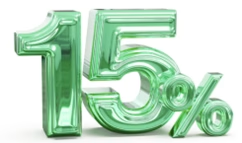 An SMSF is taxed at 15% on its taxable income. Tax concessions can lower this rate, and in some cases, reduce it to zero or result in a tax refund. An SMSF pays the same taxes compared to a retail or industry super fund. An SMSF has more flexibility to minimise tax than an industry fund which has several thousand members. The maximum number of members an SMSF can have is six which makes it is easier in navigating SMSF tax.
Types of Taxes
Typical SMSF taxes include:
- Contributions tax – 15% of tax applies to employer contributions and member concessional contributions. It is not a separate tax. An SMSF in 100% accumulation phase is taxed on its taxable income at 15%. Concessional contributions are included in a fund’s taxable income, for more information checkout the governments Super Lookup FAQ.
- Franking Credits – Australian shares typically pay dividends which have an attached franking credit which directly reduce the tax liability of a fund and can result in a tax refund if the fund’s tax liability is very low or nil.
- Capital gains tax – SMSF CGT concessions applied to taxation of investments such as managed funds, shares, property and public and private unit trusts. If an investment is held longer than 12 months a 1/3 discount is applied effectively applying a 10% tax rate to the capital gain on disposal.
- Div293 tax – this is not a tax applied to the fund but to an SMSF member. If your income and concessional super contributions exceed $250,000 you may be liable to pay Div293 tax. An additional 15% tax is applied to concessional contributions which exceed the threshold. The tax can be released from your SMSF or another super fund or can be paid personally.
- ATO supervisory levy of $259 is not a tax; it covers the ATO’s costs to manage and administer SMSF regulation. It is paid by an SMSF annually when it lodges the fund’s annual return.
- Non-Arm’s length income (NALI) – An SMSF is taxed at 45% on income which is deemed to be NALI. Income which is received by an SMSF which was not at arm’s length derived from a scheme. NALI also applies to expenses which are not at arm’s length.
How does being in pension phase affect SMSF tax?
When a fund is in pension phase (retirement phase) part or all of its income is exempt from tax. The expenses which related to the earning of exempt pension income are not deductible.
An SMSF in 100% pension phase for the entire year pays no tax and receives all refundable franking credits.
An actuary must certify the percentage of fund income that is tax exempt (ECPI) when a fund is not entirely in pension phase.
Tip – A fund providing a transition to retirement pension (TRIS) is not in retirement phase and the income from a TRIS is not exempt from tax.