

SMSF Australia Blog Articles
What is the difference between a Part A and Part B SMSF Qualification?
Part A is a financial audit; Part B is a compliance audit. Learn what triggers each type, why Part B breach is more serious, and how to avoid a qualified report

What does a Part A Qualification on an SMSF Audit Report mean?
A Part A qualification means the auditor cannot fully verify the SMSF's financial statements. Learn what triggers it crypto, investment platforms, and NALI

When is an Acknowledgement of Trust used for an SMSF?
An acknowledgement of trust is used when an SMSF asset is purchased in the wrong name. Learn when it applies, how auditors view it, and stamp duty risks

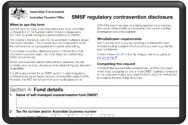
How to complete a voluntary disclosure form
Proactively disclosing an SMSF breach to the ATO via a voluntary disclosure form can reduce penalties. Learn how to complete the form, what to include
What is the SMSF 6 month rule?
The SIS Act allows a 6-month grace period to restructure SMSF trustee arrangements when circumstances change

What Happens When You Wind Up an SMSF?
Winding up an SMSF involves selling assets, rolling out balances, lodging a final return, and deregistering the company. Learn the full process and what to watch out for

Becoming an SMSF Expert: Top Online Resources for Trustees
Learn where to find the best free SMSF education online from the ATO and SMSF Association to trustee guides, technical updates, and compliance resources

SMSF fee comparisons
ATO data shows the median SMSF operating cost is $4309 per year. Compare accounting, audit, and admin fees to understand what you should and shouldn't be paying

What happens to my SMSF if I get divorced?
Divorce triggers super splitting under the Family Law Act, which can split or flag an SMSF member's interest. Learn how splitting works, trustee changes, and the steps involved

How much should an SMSF Audit cost?
SMSF audit fees average $641 and median $550 per ATO data. Learn what drives audit costs, what's reasonable, and what SMSF Australia charges.
